

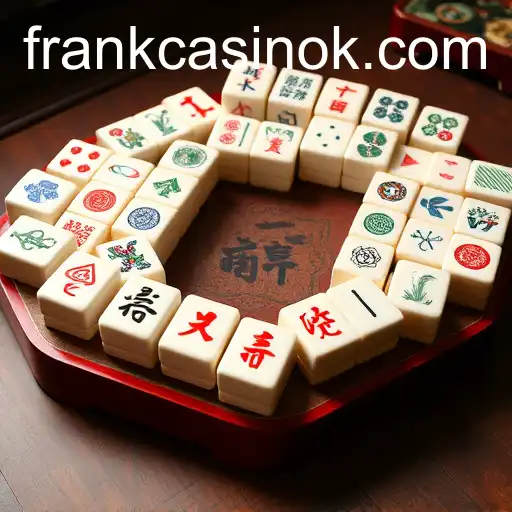
Introduction to Mahjong: The Timeless Game
Mahjong, a traditional Chinese game with deep historical roots, has captivated players worldwide with its blend of skill, strategy, and chance. With its cultural significance and engaging gameplay, Mahjong has attracted enthusiasts from all walks of life, fascinated by its intricate patterns and the social interactions it fosters.
The Origins of Mahjong
The exact origins of Mahjong are somewhat shrouded in mystery, though it is widely believed to have been developed in China during the Qing dynasty. Initially a game enjoyed by the elite upper class, it gradually made its way to various societal levels, becoming a staple in many households and gatherings.
Early forms of the game have been linked to card games and dominoes, reflecting a unique blend of influences that contributed to its development. Over time, Mahjong evolved into the game known today, consisting of a complex system of tiles requiring both mental and strategic prowess.
The Structure of Mahjong: An Overview of Tiles
Mahjong is traditionally played with a set of 144 tiles, although some variations may use more or fewer. The tiles are typically divided into several suits: Bamboo, Characters, and Circles, each representing different values. In addition, there are Honor tiles, which include Winds and Dragons, as well as bonus Flower and Season tiles.
The objective of the game is to build a complete hand, often consisting of four sets and a pair. These sets can be a Run, a group of three numerical tiles in the same suit, or a Triplet, a group of three identical tiles. Players draw and discard tiles, negotiating with luck and skill to form their winning hand.
Understanding Basic Rules: How to Play Mahjong
Although specific rules may vary between regions and styles, the basic structure of Mahjong remains consistent. The game typically involves four players and proceeds in rounds, each starting with the dealing of tiles. Players then take turns drawing and discarding tiles, with the aim to complete a legal hand before their opponents.
One critical aspect of Mahjong is the declaration of "Mahjong" or "Hu" upon achieving a winning tile combination. This declaration must meet specific conditions depending on the variation being played. Winning not only requires the ability to strategize and adapt but also the skill of foreseeing opponents' potential hands.
Mahjong Strategies: Mastering the Game
While Mahjong involves a degree of randomness due to the draw of tiles, strategy plays a critical role in successful gameplay. Experienced players often emphasize the importance of paying attention to opponents' discarded tiles, adjusting their strategy accordingly to block their moves or to complete their own hands more efficiently.
Another strategy involves utilizing Honor tiles wisely. These tiles can double the score of a hand, although experienced players recommend using them prudently to avoid potential pitfalls. Furthermore, players may choose to aim for concealed hands, which are hands crafted without open melds, often yielding higher scores but requiring heightened skill and patience.
The Cultural Significance of Mahjong
Beyond its intricate mechanics, Mahjong holds profound cultural significance in many societies. Often associated with social gatherings, it is a tool for fostering connections among family and friends, bringing people together across generations.
In many cultures, Mahjong is not only a game but a symbol of cleverness and dexterity. It features prominently in many Asian celebrations and festivals and is also used as a metaphor in cultural works to depict life's complexities and the unpredictable nature of fortune.
Mahjong in the Modern Age: Global Popularity and Digital Versions
Mahjong's appeal has transcended its traditional roots, gaining global popularity with numerous adaptations and variations found in different countries, including Japan, Korea, the United States, and beyond.
The digital age has further propelled Mahjong to new heights. Online and mobile versions have emerged, allowing players to engage with the game on the go, against both human opponents and AI. These digital platforms offer a variety of rulesets and styles, accommodating newcomers and seasoned players alike.
Conclusion
Mahjong continues to enchant players worldwide with its perfect blend of chance, skill, and strategy. A testament to its lasting appeal and cultural significance, the game stands as a classic pastime that bridges generations and cultures, providing endless enjoyment and a communal spirit. Whether played in bustling city settings or tranquil rural homes, Mahjong is a timeless game that resonates with the human desire for connection and intellectual challenge.